What to Expect During Class Action Mediation Proceedings
Class action cases involve multiple plaintiffs who have similar claims against a defendant, often making the legal process more complex than standard litigation. These cases can involve large groups of individuals, substantial evidence, and significant financial stakes. As a result, resolving such disputes through traditional court proceedings can take considerable time and resources.
To streamline the process and encourage mutually agreeable outcomes, many parties turn to alternative dispute resolution methods. One of the most common approaches is mediation, which provides a structured environment for negotiation outside of the courtroom.
Understanding how this process works can help participants feel more prepared and confident when entering discussions.
Class action mediation is designed to bring both sides together with the assistance of a neutral third party who facilitates communication and helps guide negotiations. Rather than relying solely on a judge or jury to determine the outcome, mediation allows the involved parties to work collaboratively toward a resolution. Knowing what to expect during this process can make it easier to navigate and improve the chances of reaching a successful agreement.
Understanding the Purpose of Mediation in Class Action Cases
The primary goal of mediation in class action cases is to resolve disputes efficiently while avoiding the time and expense of a full trial. These cases often involve complex legal issues, multiple stakeholders, and extensive documentation, making them well-suited for a negotiated settlement process.
During class action mediation, a neutral mediator is selected to oversee the discussions between the parties. The mediator does not make decisions or impose outcomes but instead facilitates communication and helps identify areas of agreement. This allows both sides to express their positions openly while working toward a resolution that is acceptable to all involved.
Another important purpose of mediation is to provide flexibility. Unlike court rulings, which are binding and determined by legal standards alone, mediation allows parties to explore creative solutions that may not be available in a traditional trial setting. This can include structured settlements, phased agreements, or other arrangements tailored to the needs of the group.
Preparing for Mediation Sessions
Preparation is a critical part of the mediation process. Both plaintiffs and defendants typically spend significant time organizing their arguments, reviewing evidence, and developing negotiation strategies before entering discussions.
Legal teams often gather documents, analyze case details, and assess the strengths and weaknesses of their positions. This preparation helps ensure that each party is ready to present their case clearly and respond to questions or proposals during mediation sessions.
Attorneys play a key role in guiding their clients through this preparation phase. They help define objectives, anticipate opposing arguments, and develop strategies that align with both legal requirements and practical considerations.
Negotiation and Settlement Discussions
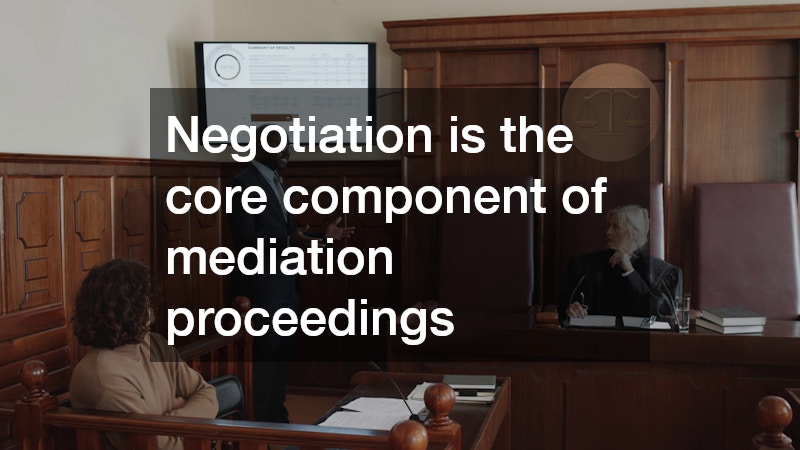
Negotiation is the core component of mediation proceedings. During this stage, both parties present their positions, evaluate offers, and work toward finding common ground. The mediator helps facilitate these discussions by encouraging constructive dialogue and identifying areas where compromise may be possible.
In class action mediation, negotiations often involve detailed discussions about settlement amounts, distribution methods, and the allocation of funds among class members. These discussions can be complex, as they must account for the varying interests and circumstances of a large group of individuals.
Confidentiality plays an important role during this phase. Information shared during mediation is typically not admissible in court, which allows parties to speak more freely and explore options without fear of legal repercussions. This encourages honest communication and increases the likelihood of reaching a mutually acceptable agreement.
When both sides are able to agree on terms, the mediator may help draft a preliminary settlement agreement. This document outlines the terms of the resolution and serves as the foundation for final approval by the court.
Final Steps After Mediation
If an agreement is reached during mediation, the next step is typically to formalize the settlement and seek court approval. In class action cases, courts often review the agreement to ensure that it is fair, reasonable, and adequate for all class members.
Once approved, the settlement is implemented according to the agreed-upon terms. This may involve distributing funds, providing services, or taking other actions outlined in the agreement. The resolution of the case allows both parties to avoid further litigation and move forward with certainty.
If no agreement is reached, the case may continue through the traditional legal process. However, the insights gained during mediation can still be valuable, as they often help clarify the strengths and weaknesses of each side’s position.
Class action disputes present unique challenges due to their scale, complexity, and the number of individuals involved. Mediation offers a practical alternative to traditional litigation by providing a structured yet flexible environment for resolving these disputes.
Class action mediation allows parties to engage in meaningful discussions, explore potential solutions, and work toward mutually beneficial outcomes with the guidance of a neutral mediator. While the process requires preparation, patience, and cooperation, it often leads to more efficient and cost-effective resolutions compared to going to trial.
Understanding what to expect during mediation proceedings can help participants approach the process with confidence. From preparation and negotiation to final settlement and approval, each stage plays an important role in achieving a successful outcome. By embracing this collaborative approach, parties can resolve complex disputes in a way that supports fairness, efficiency, and long-term resolution.